An Englishman's Home Is His Castle?
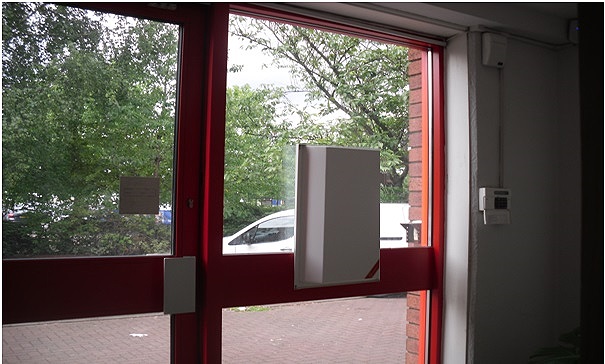
LETTER BOX ADDS TO DOOR MISERY
FACT
External doors are absolutely critical to the safety of the premises and the occupants. They must meet specified performance standards to demonstrate appropriate levels of security and fitness for purpose, in particular PAS 23-1:1999 and PAS 24-1:1999 (now replaced with PAS 24:2007 since December 2007) in the UK.
The building owners and occupants rely on the door's tests results and the Certificate of compliance to the standards. However, 4mln property crimes were recorded in England and Wales in 2006/2007 only and, as a matter of fact, few doors are safe. This is partly due to serious lapses with letter box security. Residents and businesses suffer from arson, criminal and vandalism attacks through the external doors that were claimed by the manufacturers to be in compliance with the security standards.
This happens because the standards are tailored to the needs of the UK manufacturers rather than the customers. Protecting the letter box would add up to the door price and door manufacturers claim that they are under the ever increasing pressure from the competition to reduce the costs.
MOST EXTERNAL DOORS IN THE UK DO NOT MEET EUROPEAN PERFORMANCE STANDARDS FOR SECURITY
Manufacturers may claim that they try the security of their door with crow bars, sledge hammers, credit cards and other tools of destruction. They may even swing a 30 kg ball into the door in nine different places to check it will stand up to shoulder barge. Then they pronounce that they have tested the security and durability of their door again and again.
The problem is that according to the standards currently used in the UK, doors are tested for fire resistance, security and acoustic performance, etc., with the letterplate either not fitted, or when it is in the closed position or specifically excluded from the test.
Then these doors are used by the customers with a letterplate because 'the mail must go through'. The letterplate is the only part of the property that is open 24 hours a day and it makes the property vulnerable and exposed to all four main risks defined by the insurance: from fire, water damage, malicious damage and weather - related damage.
With the problem widely recognised some customers go for fitting of the so called 'fire rated letter box system'. Ask yourself: would a door or a letterplate or the 'fire rated letter box system', which was tested with the letterplate flap closed, protect a property and the occupants when the flap is open?

The unprotected letter box offers an easy and attractive route into the property for vandals, arsonists, thieves, burglars and terrorists whatever locks may be installed in the door. This security drawback often turns fatal for property occupants.
The risk of crime starting through the entrance door unprotected letter box is well known and identified by the insurance, Fire Brigade, Police Service, Master Locksmiths Association, etc.
Statistics on crime and incidents that have heavily featured in media reports have highlighted the need for improved security in the letter box without disrupting the mail delivery. The common sense tells us that considering the shocking statistics and for the same reason you have your front doors locked you must also have security against crime and vandalism in your front door letter box.
Since New Fire Safety Order 2005 was introduced from 1st October 2006 in the UK the owners and managers of non-domestic premises are personally responsible for the fire safety of their premises and must take measures to eliminate all known risks of fire.
Therefore, protecting the letter box is essential in all non-domestic premises for complying with the law. In case of an accident they face the risk of not complying with the legislation, hefty fines, difficulty with getting the insurance and even the imprisonment.
IS YOUR DOOR UP TO THE JOB?
Who Commits Arson and Why?
Source: The Home Office
Criminal: Financial gain, Fraud, Concealing evidence of criminal activity (e.g. car theft/burglary)
Psychological: Mental illness
Malicious: Revenge, Anger, Frustration, Racism/Clash of beliefs, Homophobic
Other: Attempt to be re-homed, Family argument, Drugs, Truancy, Personal animosities, etc.
THE DIVERSE MOTIVES OF ARSONISTS, VANDALS AND CRIMINALS MEAN THAT NO HOME OR BUSINESS IS IMMUNE FROM AN ATTACK