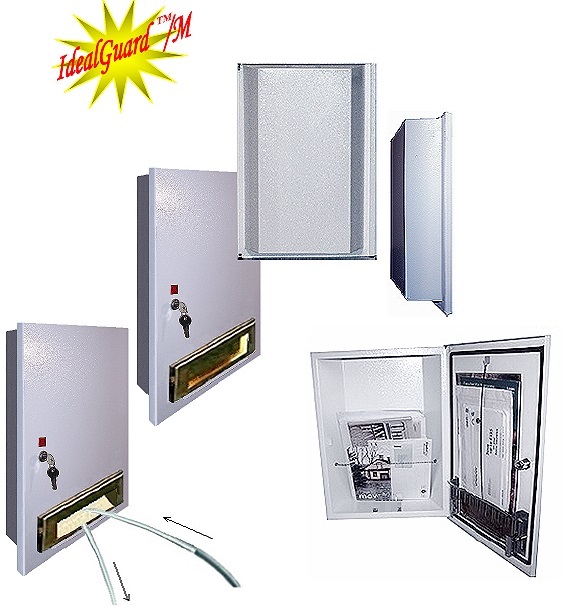
House Energy Loss


LETTER BOX ADDS TO DOOR MISERY


FACT

The letter box security drawback is coupled with a significant loss of house energy and increased CO2 emissions from buildings into the atmosphere.


You have spent £1,500 - £5,000 plus (typical installation costs) for fitting an efficient and economical boiler, spent thousands of pounds on replacement windows, loft and cavity wall insulation but your energy bills are still running high! What can be the problem?


Before paying for big technology, like new heating system or solar panels, double-glazing, insulation, etc., it is important that simple and cost-effective steps are taken to increase the energy efficiency of the property.


The first place to look is at your exterior door(s). Gaps around doors, including the letter box and the keyholes, are the most common sources of draughts. A letterplate flap does not seal very well against its frame. It is usually quoted that these gaps are responsible for 15-20% of house energy loss.


But with the letter box it is not just the draughts. What is often overlooked is that the letterplate is often stuck open for hours by mail items.


Letterplates come in all sizes, but they are mostly small for security reasons. This creates obstruction to mail delivery and functionality. For example, you can't drop keys through a small letterplate. If a letterplate has brush strips or a secondary flap fitted for draught proofing, this too creates obstruction to mail delivery.

According to the Communication Workers Union, the over tight letter box brush draft seals and flaps are a major issue for postmen. Since it is very hard to overcome the resistance of brush seals, secondary flaps and over-tight letterplates, the long-suffering postmen often leave items of mail only partly inserted. Therefore, the letterplate flap stays jammed open for a long time.

This situation is exacerbated with many random people involved in the delivery of junk mail, free newspapers, leaflets, etc.

Heat moves from hotter areas to cooler areas. The common practice is not to close internal doors, so the heat loss from the house entrance hall area will extend into all house. The heat of a room or a house exits into a colder space in moments through an open letterplate, which provides a sizeable hole in the exterior of a property.

When you have loss of heat through your letter box, it results in dramatic efficiency losses for your property heating in cold seasons. As a result, your energy bills go up and the production of wasted power for heating your home generates enhanced greenhouse gas emissions into the atmosphere, which contribute to global warming and climate change. 

All you need to stop the draughts, says the Energy Saving Trust, is to install a cheap, easy-to-fix brush or PVC seal on your exterior door and to cover the letter boxes too.

The question is: how do you cover the letter boxes?  

You will find adverts selling an easy-to-fix letter box draught excluder with brush strips for placing over the letter box "to eliminate or reduce letter box draughts".

However, read this:


Tip 10 from the Energy Saving Centre 


'Letter box draughts


Letter boxes are notorious for letting in a draught. One solution is to fit brush strip over the letter box. However, the downside is that these devices make it almost impossible to push newspapers and magazines fully through. This means that you'll probably arrive home from work to find that the newspaper will be rolled up and sticking out of the letterbox, and creating a worse draught than you would have had before the brush strip was fitted.' 


It appears that these cheap (and some not so cheap) products work to reduce draughts only when the letterplate flap is closed - this is when there is not much draughts anyway. However, they simply do not work, as soon as a newspaper or mail is left in the slot. The brushes get deformed and let the house heat out.


Products that do not insulate the letter box when the letterplate flap is open are useless and even harmful because they give way for more letter box draughts, house energy loss and increased CO2 emissions contributing to the greenhouse effect and climate change.


External doors with these products fitted provide less energy efficient options and are failing the current standards and regulations. The U-value is a measure of heat flow through a building element. U-values for doors must conform to Building Regulations, but they are misleading as presently quoted by door manufacturers. This is because the effect of the letter plate, which in real life often stays open, is not taken into consideration.